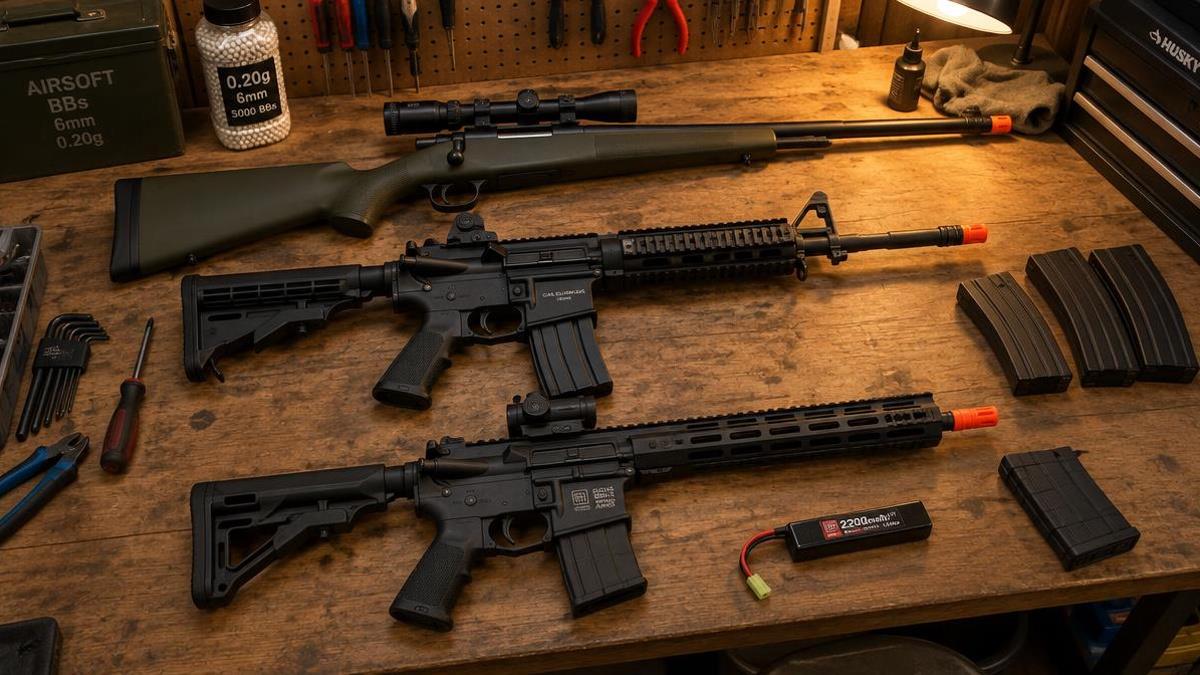
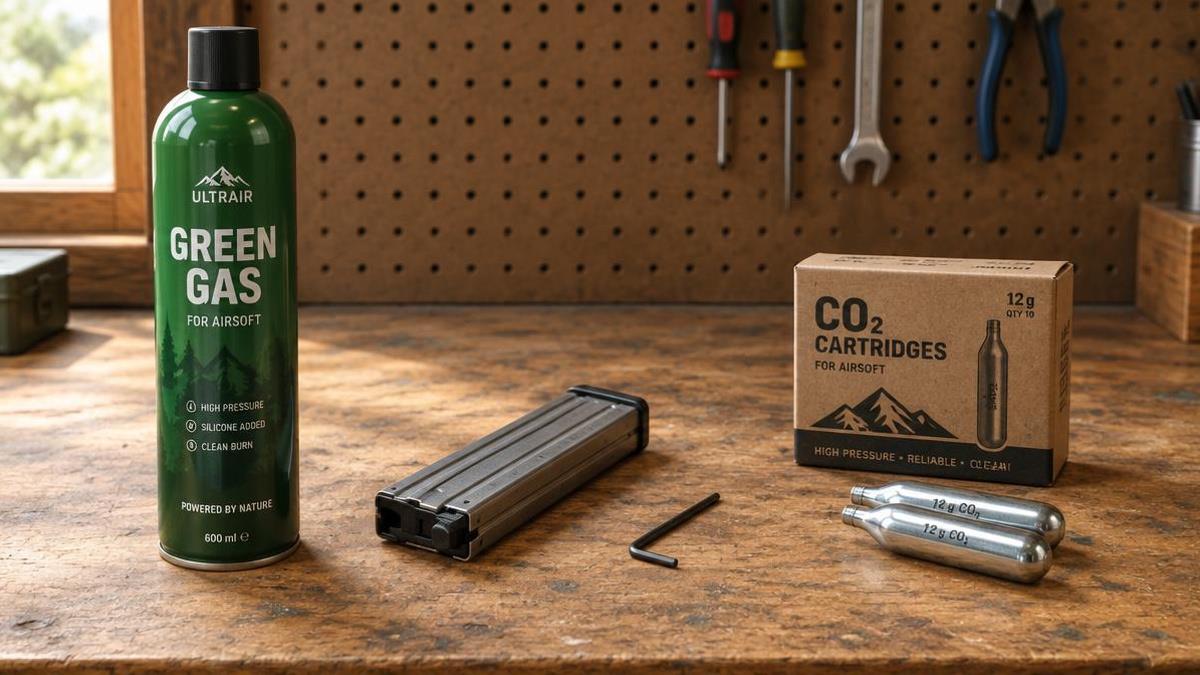
This guide will look at how the use of propellant in airsoft can change the velocity, consistency and the cost of playing of a player, looking at the 2 most common types of propellant and what makes them better for different climates and different airsoft rifles.
As previously established, airsoft guns using gas as their power source are greatly affected by the propellant they use. The types of gas used for airsoft (green gas, CO2) are greatly affected by three things: temperature, pressure, and maintenance.
Green gas
Most green gasses are propane-based mixtures of gases which contain a small amount of lubricant. These are typically supplied in refillable magazines or bottles and make very convenient and readily available propellants for games. Velocity is generally in the moderate range and it is very consistent at warm temperatures.
Most standard green gases loose pressure as the temperature drops below about 10 degrees C and so tend to lose velocity. To combat this some temporary higher pressure gases are available for winter use, but these put even more pressure on the rifles seals etc. than standard gases.
CO2
CO2 is able to be fired at a higher pressure and thus perform consistently in cold weather, something which cannot be said for the majority of propellants on the market today, and is particularly suitable for use in cold weather by British and European airsoft players.
CO2 is also known to shoot harder than gas and can on occasion ‘over shoot’ site limits unexpectedly. The cost per shot of CO2 cartridges is higher than their green gas counterparts, due to being single use. There is also increased wear on seals due to the high pressure spike produced by the cartridge. Additionally, most guns require a specialized nozzle and/or magazine to use CO2.
Practical recommendations
- Warm-weather woodland play: green gas, standard pressure, silicone maintenance every few games.
- Cold weather: Use CO2 (or a specialized winter gas mix) and re-chrono for first game.
- Mixed climate: buy a rifle that supports both magazine types
- Always store your gas magazines with a little pressure in them to seat the seals.
- Do not mix gas containing lubricant with a rubber hop-up that you are very careful to keep dry.
Use a repeatable test
Test guns at the same speed in the same conditions (distance, and the same weight of BBs). Record several successful shots instead of one maximum score. Keep a short written test report of your results, it will help you a lot when you have to clean or improve your gun.
Maintenance should be proportional
Instead of tearing down your gun for regular cleaning and inspection, clean it as you would for regular service. Use the correct materials for cleaning airsoft guns and if you have to repair something, make sure you have the correct tools for the job and that you understand what you are doing.
How to evaluate the advice
Good airsoft advice separates the facts from the writers’ personal preferences. The writer should be able to back up the measured facts (the weight, length, number of magazines, for example) but not the trigger’s ‘feel’ or the ‘balance’ of the replica, nor its useful ‘mods’ (like the stock).
A sensible next step
Map out your field of play and the role you will be playing. Identify the single problem that you would like to solve and set up a single test to evaluate the most cost effective change or improvement. Upgrading component by component in a methodical test sequence prevents over investment of money and weight in attempts to seek improvements in reliability, comfort and hit accuracy that in practice are not there.
Legal and practical responsibility
Always treat airsoft replicas with respect, and remember that you are responsible for the replica in your possession. This means that, before purchasing, checking local laws and regulations for items such as sale, public display, and reproduction is essential. In addition to these restrictions, ensure that replicas are always securely stored, and always carry them in an appropriate case. Never brandish a replica in public and always check with the relevant authority or venue for the most up-to-date rules before heading out to a field.
Read specifications in context
Many manufacturers provide published specifications of the performance of their airsoft guns in terms of the velocity, range and accuracy that they can achieve. However, many of these tests are carried out under idealized circumstances with specialized equipment, using the lightest BBs possible and with the hop up adjusted to provide the maximum amount of pressure. As such, it is wise to treat published claims with a degree of skepticism and look for repeatable field test results from owners who have used the gun under a variety of different circumstances, and taken into account the typical BBs that it will be used with, as well as any limits imposed by the gun’s barrel. Also, bear in mind that published specifications of a gun’s dimensions do not take into account the extra bulk of any scope, bipod, sling, etc. that the gun may be used with, plus the additional bulk of loaded magazines, etc. So published specifications should be used as a rough guide only, to help you narrow down your choices to a few likely candidates. But in the end, it is the gun’s reliability, the quality of its spare parts, and how well it fits you that will count for most.
Plan upgrades in stages
A good starting point is to initially set up your airsoft gun as it would come from the manufacturer’s. Use this to first create a ‘base line’ test, where you clean your gun, setup the hop up, test out different weights of BBs and create a chronograph printout. This gives you a solid starting point. Then you look to modify specific parts one at a time to test their effects. This allows you to see exactly which change did what, and how you can solve any problems encountered. For now, aesthetic changes are of little value.
Make the equipment easy to live with
When the game is over and you head home after a long day at school, take a few minutes to inspect the fasteners, the sling, the optic mount and other parts of protective equipment for signs of wear and damage. Pack a small cleaning kit with a scraper, oil, etc. to clean up the inner barrel from time to time. Try to keep the equipment as simple as possible to transport, set up and take down for games.
Field checklist
- Check the venue’s current limits for energy and minimum distance of engagement.
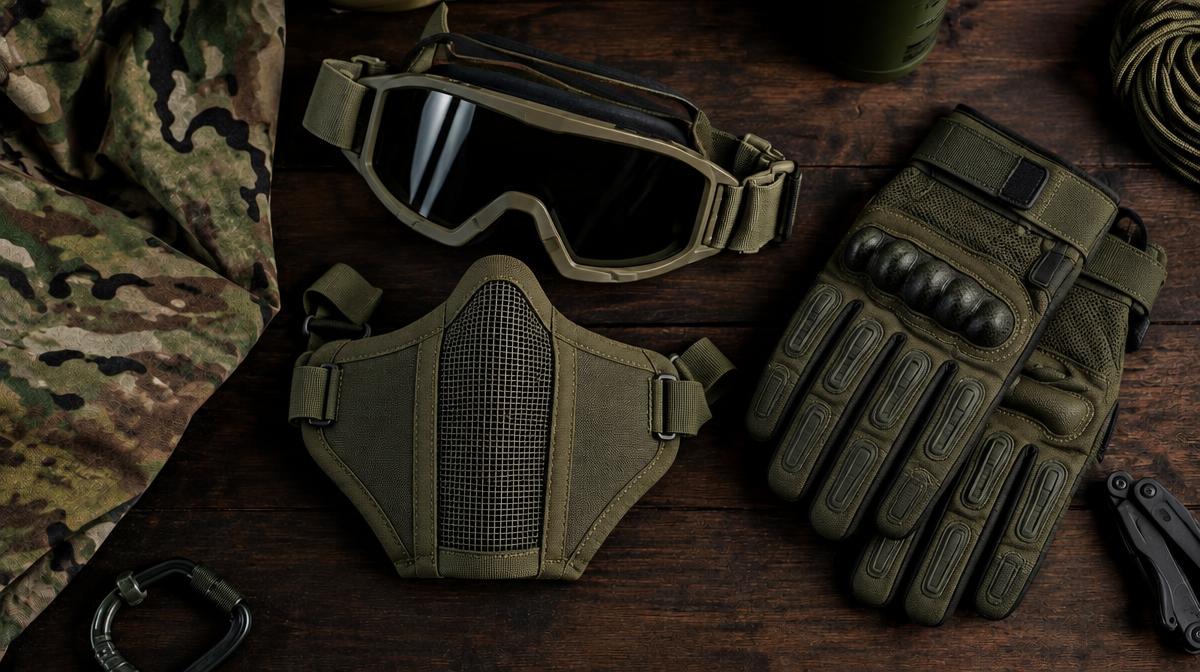
- Use properly rated eye protection and inspect it before play.
- Test with the BB weight and hop setting you intend to use.
- Be able to repeat an adjustment and reverse it (i.e., record it).
- Don’t play with defective gear until you’ve checked it out for repairs.
Final perspective
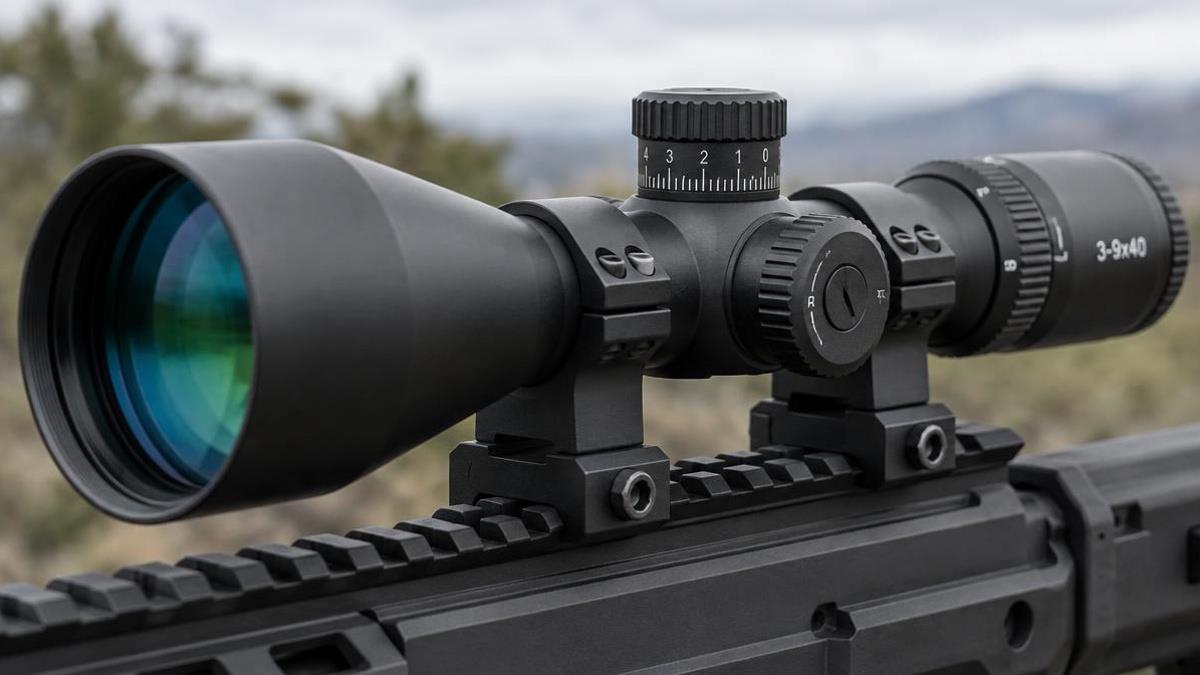
A thorough evaluation of an upgrade to use for Airsoft involves consideration of how it shall fit into a total Airsoft playing system – that which to provide most effective use, in terms of available “specification” – and that which to facilitate reliable use of said upgraded items in repeated games. Such components as optics, clips, sling and bipod, with which the better Rifles are accessorized, should, when added to the replica, not total excessive weight or dimensions – further precluding its prudent, as well as safe, use in tournaments. In the mean time, until ultimate configuration of similar, test various combinations of same, to assure greatest possible benefit, of particular, in objective terms.